Why Pick OEM Car Parts? Enhance Your Vehicle's Durability and Dependability
Selecting OEM car parts can significantly affect vehicle functionality and longevity. These components are designed to satisfy rigorous manufacturer standards, ensuring a exact fit and ideal function. By focusing on OEM parts, owners can enhance dependability and reduce the likelihood of future repairs. However, the choice between OEM and aftermarket options often generates questions. What elements should be taken into account when selecting between them? Comprehending the consequences can result in more informed choices.
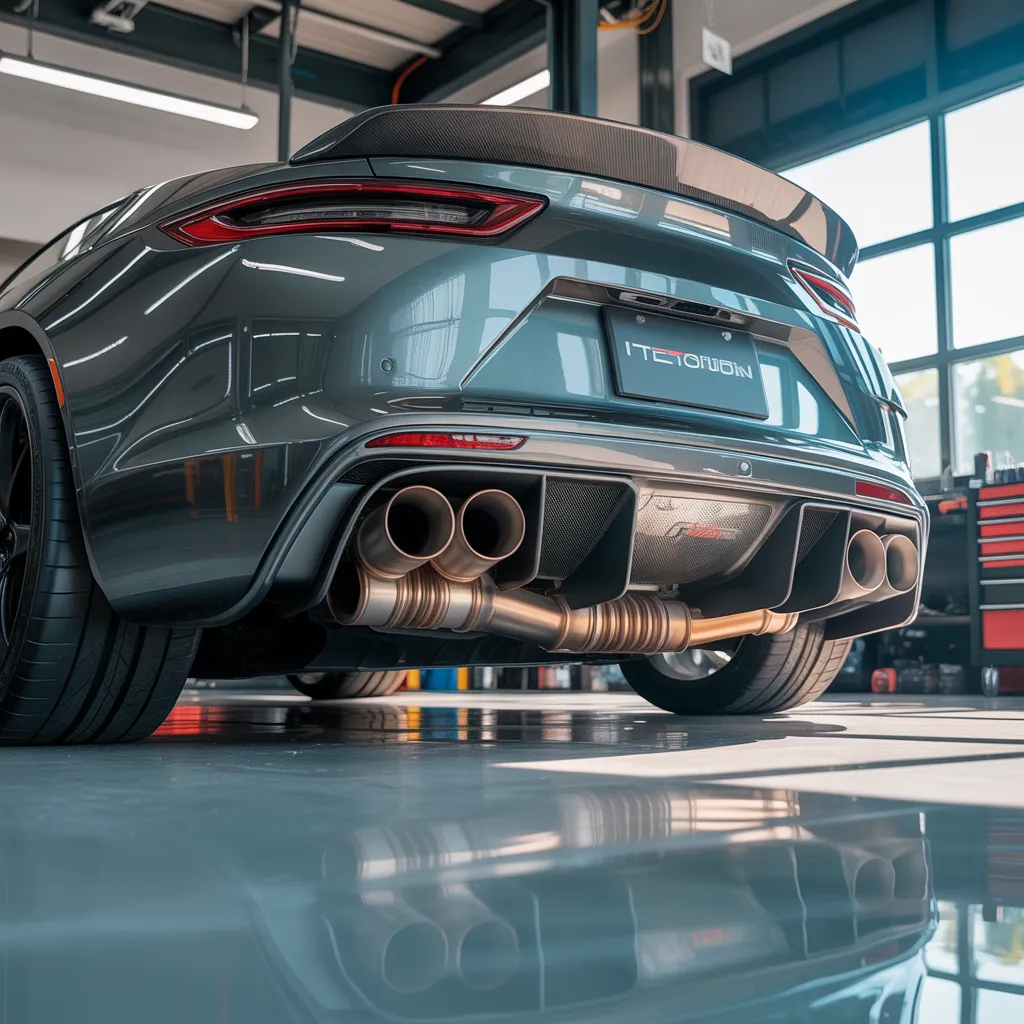
The Importance of OEM Parts for Your Car
When deliberating on vehicle maintenance, many owners fail to acknowledge the importance of using OEM (Original Equipment Manufacturer) parts. These components are expressly engineered to meet the initial standards of the vehicle, ensuring compatibility and excellent functionality. Unlike aftermarket parts, which may fluctuate in quality and fit, OEM parts furnish a stable solution that upholds the manufacturer's standards. This alignment not only supports proper performance but also helps copyright the vehicle's warranty coverage.
In addition, purchasing OEM parts can strengthen the vehicle's longevity. These parts are fashioned from superior materials, intended for durability and strength. As a consequence, they often cut down on maintenance and component changes over time. Moreover, the use of OEM parts can also increase resale appeal, as prospective owners tend to favor vehicles cared for with factory-original parts. All in all, the significance of OEM parts cannot be dismissed, as they are essential in vehicle reliability and maintenance.
Ways OEM Parts Boost Performance and Safety
OEM parts are built with meticulous precision, guaranteeing peak performance and reliability for motorized vehicles. Their guaranteed compatibility with particular makes and models elevates safety by minimizing the risk of malfunction. Additionally, many OEM assemblies incorporate advanced safety features that strengthen comprehensive vehicle safeguarding.
Exactness Engineering Rewards
The precision engineering of OEM car parts significantly improves vehicle capabilities and safety by guaranteeing that each component adheres to the precise specifications set by the manufacturer. These parts are crafted with careful precision, allowing for seamless integration with existing systems. Consequently, vehicles equipped with OEM components enjoy better handling, responsiveness, and an overall enhanced driving experience. The strength of these parts also contributes to increased safety, reducing the risk of failures that could result in accidents. Furthermore, OEM parts undergo testing to comply with safety standards, providing drivers with peace of mind. By choosing precision-engineered OEM parts, vehicle owners can guarantee top-notch functionality and reliability, ultimately extending their vehicles' lifespan while explore this topic focusing on road safety.
Ensured Compatible Protection
The incorporation of OEM car parts guarantees consistency with a vehicle's existing systems, a factor that significantly enhances both performance and protection. These parts are engineered to satisfy the exact specifications established by the manufacturer, guaranteeing seamless incorporation. This precision decreases the probability of malfunctions that can result from using non-OEM components, which may not function or function properly. By maintaining the initial design and engineering standards, OEM parts help preserve the vehicle's intended efficiency, leading to improved performance and dependability. Additionally, this compatibility minimizes the risk of wear and tear on other components, thereby extending the vehicle's lifespan. Ultimately, choosing OEM parts promotes a more dependable driving experience while guaranteeing that all systems operate harmoniously.
Advanced Safety Attributes
Opting for OEM car parts considerably enhances safety features in cars. OEM parts are created specifically for each vehicle model, guaranteeing proper alignment and operation. This exactness helps maintain critical safety systems such as braking, steering, and airbag deployment. For instance, OEM brake pads provide steady stopping power, reducing the risk of accidents. In addition, OEM parts pass through rigorous testing standards, confirming that they meet or surpass safety regulations. This reliability supports the total performance of safety mechanisms, ultimately protecting occupants during a collision. Moreover, using OEM components can prevent secondary issues arising from incompatible aftermarket parts, ensuring the vehicle operates as intended. Consequently, choosing OEM parts is a sensible choice for boosting both efficiency and safety.
Why Select OEM Instead of Aftermarket Parts: A In-depth Review
When reviewing vehicle maintenance and repairs, the distinction between OEM (Original Equipment Manufacturer) and aftermarket parts becomes important. OEM parts are specifically made for a particular vehicle make and model to provide ideal fit and performance. On the other hand, aftermarket parts may vary in quality, compatibility, and performance as they are produced by third-party manufacturers.
A significant advantage of OEM parts is their adherence to stringent manufacturing standards, often yielding higher longevity and reliability. This can be especially important for essential components where performance is paramount. Additionally, choosing OEM parts typically preserves the vehicle's warranty and resale value, as they maintain the manufacturer's specifications.
On the other hand, while aftermarket parts may offer monetary advantages, the probable concerns include diminished standards and increased likelihood of unexpected deterioration. Consequently, motorists must deliberate the positives of original parts against the ambiguities of substitute options when selecting repair approaches.
Extended Financial Advantages Using OEM Parts
Selecting OEM parts can lead to substantial extended savings for vehicle owners. By lowering repair costs and enhancing the car's resale value, these components provide monetary advantages that go past the original investment. In the end, investing in OEM parts may prove to be a wise choice for those looking to maintain their vehicle's condition and value.
Lowered Repair Expenses
Opting for OEM car parts can yield major long-term financial gains by cutting repair charges. OEM parts are designed specifically for each vehicle model, ensuring a snug fit and exceptional performance. This fit quality minimizes the chance of premature failures, which can arise from using aftermarket alternatives. By selecting OEM parts, vehicle owners frequently observe fewer breakdowns and maintenance needs over time, contributing to lower operational expenses. Additionally, these parts regularly feature warranties, offering additional financial safeguards against defects. As a result, the initial investment in OEM parts can save money in the long run by limiting the frequency and cost of repairs, allowing owners to enjoy a more solid and cost-effective ownership experience.
Increased Reselling Value
A vehicle's improved resale value often shows the standard of its pieces, where OEM car parts play a crucial role in keeping that quality. Using original equipment manufacturer parts, vehicle owners assure that their cars keep their quality and capabilities over time. Vehicles that have a documented history of OEM parts are often favored by prospective buyers because these components are made especially for the make and model, providing peak compatibility and reliability. The emphasis on quality attracts buyers and also allows a higher asking price. Investing in OEM parts in the long run can yield significant financial returns since a well-maintained vehicle with genuine parts is more likely to fetch a premium in the resale market.
Improving Your Car's Resale Market Value With OEM Parts
Using OEM parts can significantly boost a vehicle's resale value, attracting discerning buyers who emphasize quality and authenticity. When putting a car on the market, potential buyers often examine the parts used during upkeep and repairs. OEM parts, designed specifically for the vehicle, assure buyers of dependability and functionality that aftermarket alternatives may not provide.
Furthermore, cars kept with OEM parts typically show better overall condition, which can positively influence buyer perception. Comprehensive maintenance documentation showcasing the use of OEM components can also serve as strong marketing advantages, strengthening the owner's dedication to proper maintenance.
In markets where manufacturer allegiance is significant, automobiles equipped with OEM parts may realize premium prices. Ultimately, choosing OEM components not only boosts the automobile's capabilities during use but also contributes to a superior resale result, making it a prudent decision for future resale purposes.
Recognizing Real OEM Pieces for Your Vehicle
How can one determine they are acquiring genuine OEM parts for their vehicle? First, it is important to check the part's packaging and identification. Genuine OEM parts typically feature the manufacturer's logo and part number, which can be cross-referenced with official systems. Additionally, purchasing from authorized dealers or licensed service facilities verifies the authenticity of the parts.
Another efficient approach is to consult the owner's manual for your vehicle, which supplies detailed part numbers and specifications. Web-based resources and discussion boards dedicated to specific vehicle models can also provide guidance on recognizing genuine OEM parts.
In conclusion, researching the merchant's reputation is essential; dependable sellers often supply assurances or return policies for OEM parts. By utilizing these instructions, automobile owners can increase their chances of purchasing genuine OEM pieces, contributing to their automobile's lifespan and performance.
Intelligent Guidance for Acquiring OEM Parts Via Online and Offline Sources
Navigating the marketplace for OEM car parts, whether online or offline, requires a calculated strategy to guarantee quality and authenticity. First, consumers should research established manufacturers and dealers, focusing on those with favorable feedback and a solid track record
For physical purchases, checking out local dealerships or certified auto parts stores can provide direct access to genuine parts. It's also advisable to compare prices and request warranties, as these can indicate reliability. Finally, keeping an eye out for return policies adds a layer of security, allowing returns if the parts do not meet expectations. By following these tips, buyers can confidently handle the OEM parts market, boosting their vehicle’s durability and performance.
Top Asked Questions
Are factory-original parts adaptable With All Vehicle Models?
OEM parts are carefully engineered for each vehicle model, ensuring ideal compatibility. However, they may not work across all vehicles. It's crucial to verify compatibility with the vehicle's make and model before purchasing OEM parts.
How Can I verify a Part's OEM Authenticity?
To authenticate a part's OEM authenticity, one should examine the part number against the manufacturer's system, examine packaging for official branding, and contact authorized retailers or service centers for assurance of legitimacy.
Which Warranty Plans Are Available for OEM Parts?
OEM parts commonly include warranties ranging from one to three years, depending on the manufacturer. These warranties regularly cover against defects in materials and workmanship, offering assurance of quality and reliability for vehicle owners.
Are OEM Parts Found in Assorted Price Ranges?
Original equipment components come in multiple cost brackets, influenced by variables such as vehicle model, part type, and brand. Customers often find options, permitting them to pick selections that match their financial plan and needs.
Is it Possible to Install OEM Parts on My Own, or Should I Engage a Professional?
OEM parts can be installed by individuals with adequate mechanical skills, but hiring a professional is often recommended for complicated setups. Professional mechanics ensure proper fitting and functionality, enhancing the vehicle's safety and performance.